Need a New Routine? How to Use The Hub to Build Structure That Actually Works
If your current routine feels like survival mode, you’re not alone.
Families we meet at the Disability Innovation Hub (DIH) often say the same thing:
“We have no structure right now.”
“They’re home all day and don’t want to go anywhere.”
“I’m exhausted from trying to create routines that never stick.”
It’s not a failure. It’s a sign. A sign that your current systems are too rigid, too unsupported, or just not built for your person’s needs.
The good news? You don’t need to overhaul everything. Sometimes, the next right routine starts with one welcoming place.
Why Traditional Routines Often Don’t Work
Many routines break down because they’re built on:
Compliance (“get up early, get dressed, leave on time”)
External pressure (“you have to engage”)
Inflexible programming
Environments that trigger sensory or social overload
For neurodivergent individuals or those with chronic conditions, trauma, or support needs, rigid systems create resistance, not rhythm.
You need flexibility that still feels grounding. Freedom that still has form.
That’s where The Hub comes in.
What Makes the Hub a Soft Landing for New Routines
At the Hub, we offer:
Drop-in hours: come at your own pace
Familiar faces: build natural consistency through community
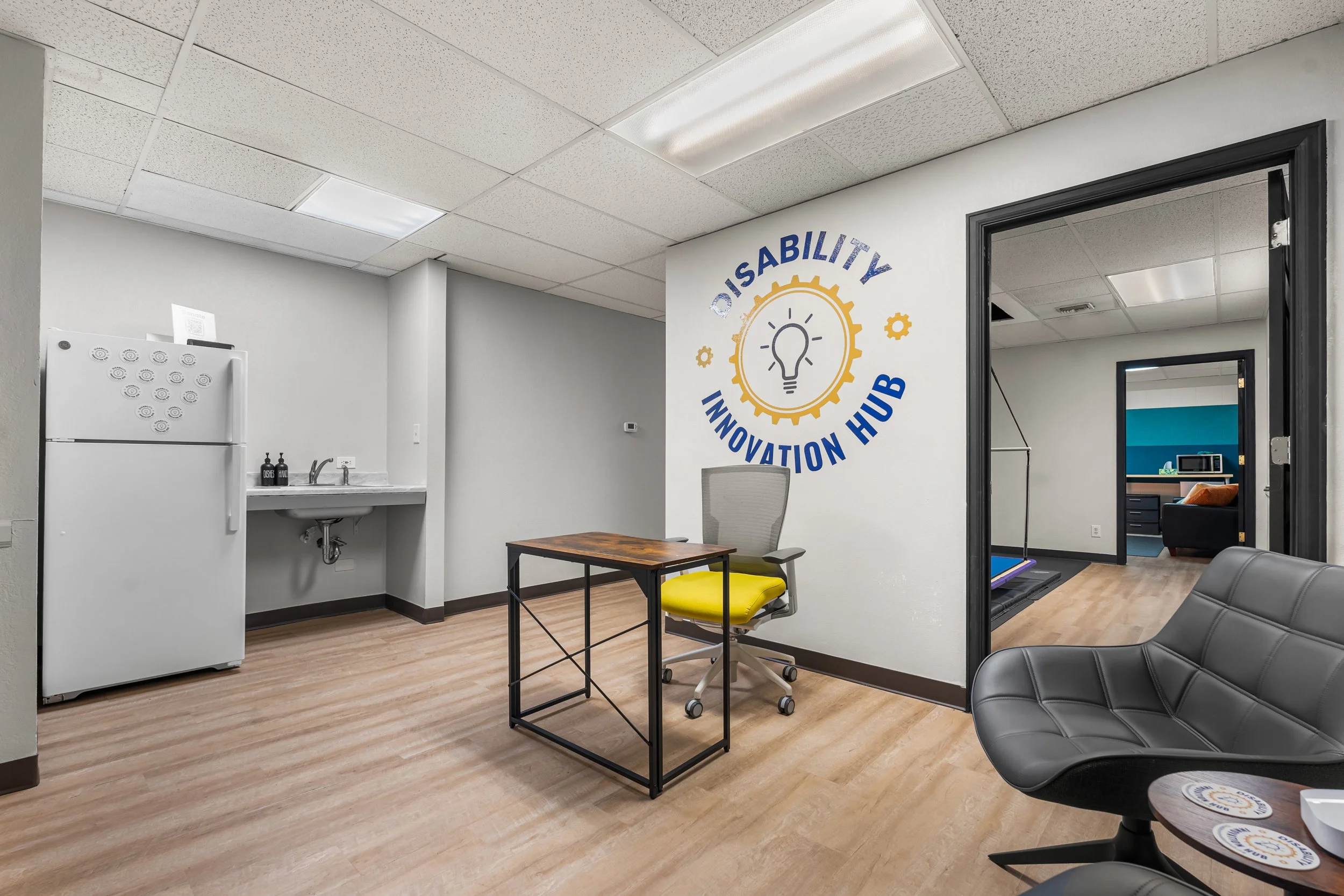
Sensory-considerate spaces: cozy corners, quiet rooms, open lounge areas
Interest-based activities: join art, writing, gaming, or mindfulness, only if it feels right
No forced goals or participation requirements
It’s just enough structure to support forward movement, without the pressure that leads to shutdown or anxiety.
How Members Build Real-Life Routines Here
We’ve seen members and families go from chaos to consistency, not by changing everything, but by adding one consistent anchor point each week:
Start with a free guest pass
Come on the same day and time each week
Bring a book, a project, or just sit and observe
Meet a provider or fellow member through casual proximity
Build habits that stick, because they’re chosen, not forced
Over time, that 2-hour block becomes the center of something larger: confidence, connection, and new momentum.
Especially Helpful During Transitions
We’re ideal for families navigating:
The end of school services (ages 18–21)
Waiver shifts or long waitlists for day programs
Gaps between therapy, care providers, or case managers
Post-pandemic reentry into social spaces
Or just… burnout.
When everything else feels too big, the Hub feels doable.
Ready to Try It?
We’d love to show you around. You can:
You don’t have to commit to a program. Just commit to trying one new rhythm, with a community that actually understands.
